Why we made it
Korea seems to have a particular love for RPGs. I have played plenty of them myself. Following a story and taking part in the action both matter, but the most thrilling moments for me were the random draws.
That brief wait after pressing a button, before the result appears. You wonder which item you will get and whether it will be the one you want. Sword Enchant Idle began with a wish to bring that anticipation and the moment of discovery into weapon upgrades.
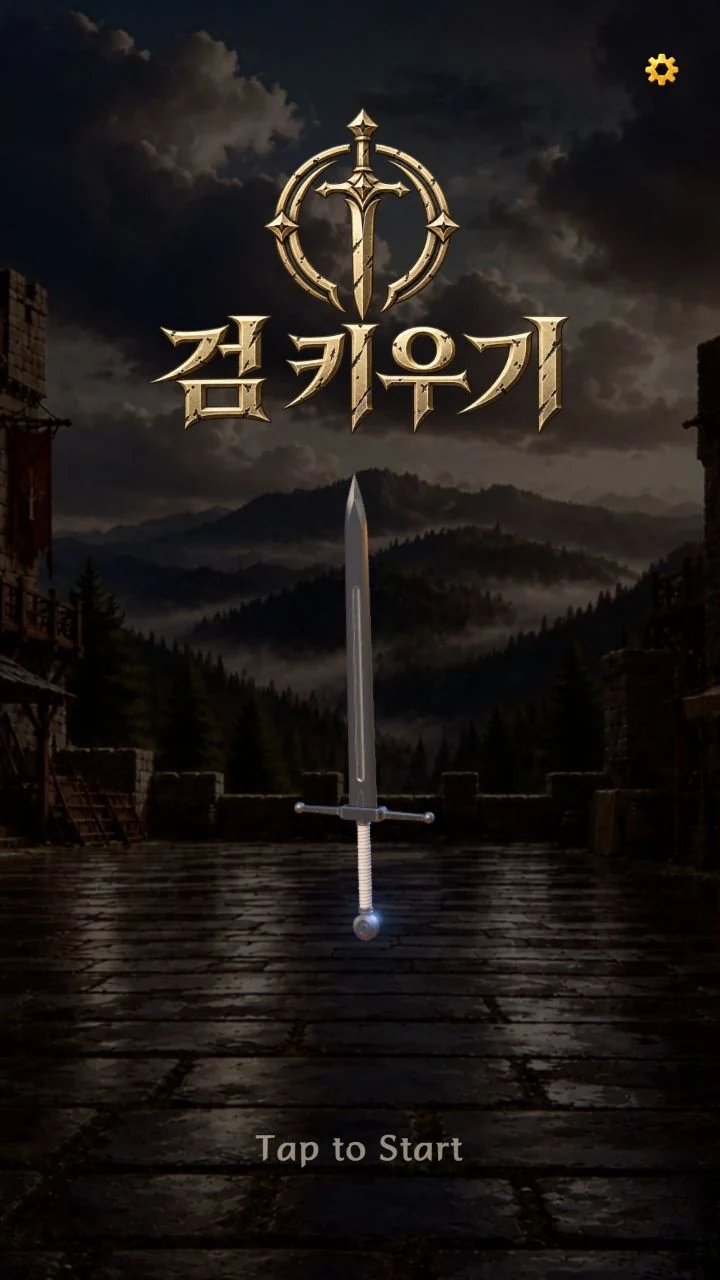
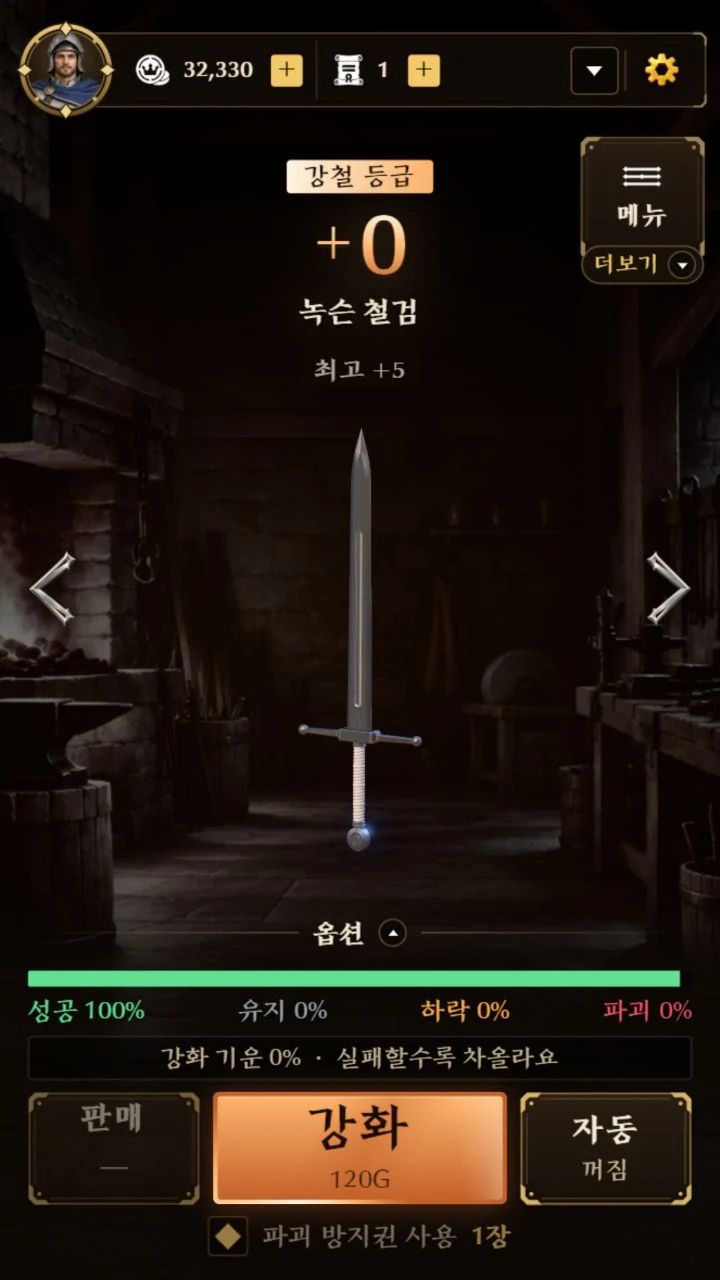
We placed a single weapon at the center of the screen. Tap to upgrade, and hammering sounds ring out as sparks fly. You wait to see whether the upgrade will succeed and how the weapon will change.
 Starting with a single sword
A few scenes from games about growing weapons
Hesitating before an upgrade
Jinmyeonghwang's Execution Sword arrived in Lineage with the 2007 Lastavard dungeon update. According to NC, this weapon could be lost on a failed upgrade starting at +1. Players had to decide whether to strengthen a hard-earned weapon or keep it as it was. The appeal of upgrading lies as much in the hesitation before pressing the button as in the reward after success. (Source: NC, November 17, 2022)
In Diablo III, released in 2012, unused gear becomes material for the next step forward. The blacksmith salvages magical items and uses the materials to craft new gear. Training him expands what he can make. Choosing what to keep and what to turn into materials is part of the search for a better weapon. (Sources: Blizzard's launch announcement · Official blacksmith guide)
When the blacksmith takes the lead
Released in 2012, Jacksmith puts a blacksmith in the lead instead of a warrior. You make swords, bows and shields, then hand them to warriors who take them into battle. During combat, you collect loot or help with a cannon. The ore and parts you gather go into the next weapon. Making weapons becomes the heart of the game, rather than preparation between adventures. (Sources: Flipline, September 27, 2012 · Battle overview, September 12, 2012)
Weapon Shop de Omasse was included in GUILD01, released in Japan that same year. You forge weapons by hammering in time with music, then rent the finished pieces to adventurers. A successful adventure brings back the weapon and payment; failure can mean losing the weapon. Alongside the hands-on pleasure of crafting comes the wait to see what your creation will achieve. (Sources: LEVEL5, November 7, 2012 · Nintendo's official introduction)
When a click leads to more growth
Cookie Clicker began on the web in 2013. You collect cookies and spend them on ways to make more. Buying things such as factories increases production. Again and again, the reward you have now becomes an investment in what comes next. A single action may be simple, but having something to buy next gives you a reason to keep going. (Source: Developer and publisher's Steam page)
Clicker Heroes arrived on the web in 2014. You click monsters to earn gold, then hire and upgrade heroes. They attack automatically as you take on stronger enemies and bosses. Clicking and auto combat work toward the same goal: growing stronger. Fights show the difference your upgrades make and how much easier a battle becomes when you invest in your heroes. (Sources: Official blog, December 10, 2023 · Developer and publisher's Steam page)
As the number rises, the weapon changes
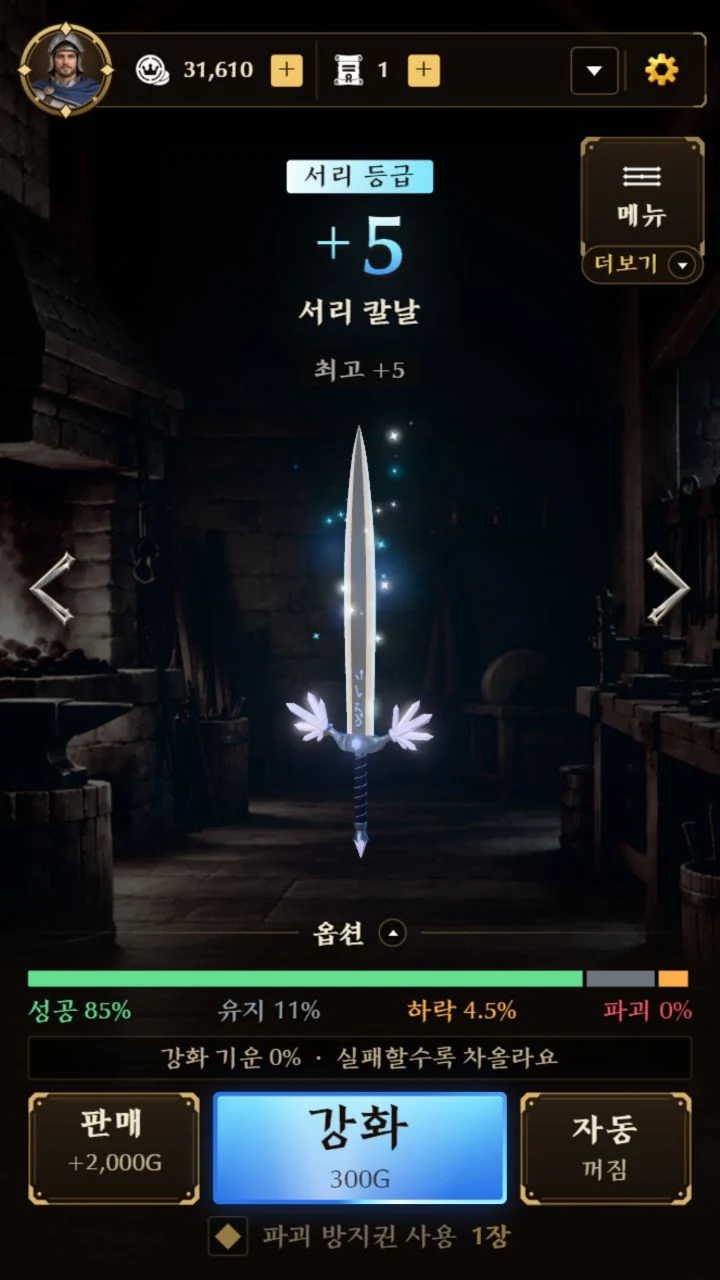
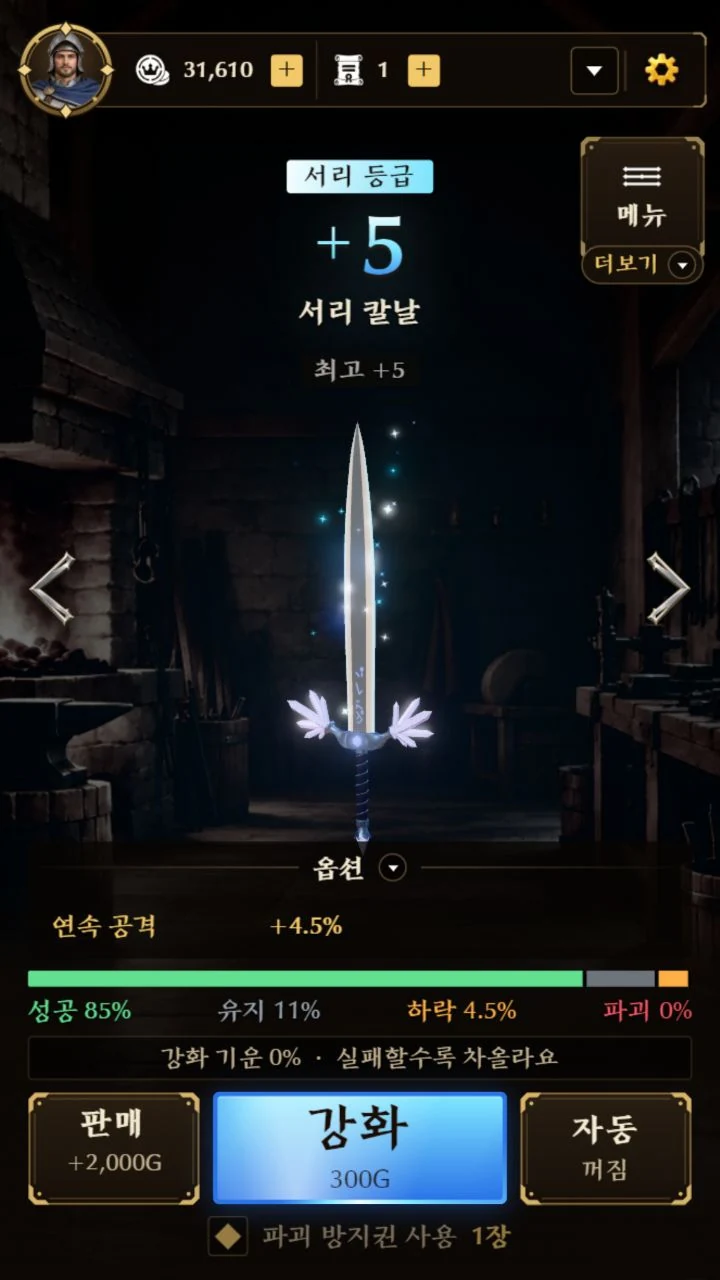
In Sword Enchant Idle, you spend time looking at the weapon itself. A 3D weapon floats at the center of the screen, changing shape and glow when it reaches a new grade. The first rusty iron sword becomes a blue-lit Frost weapon at +5. We wanted the weapon's appearance to make each step in its growth feel visible.
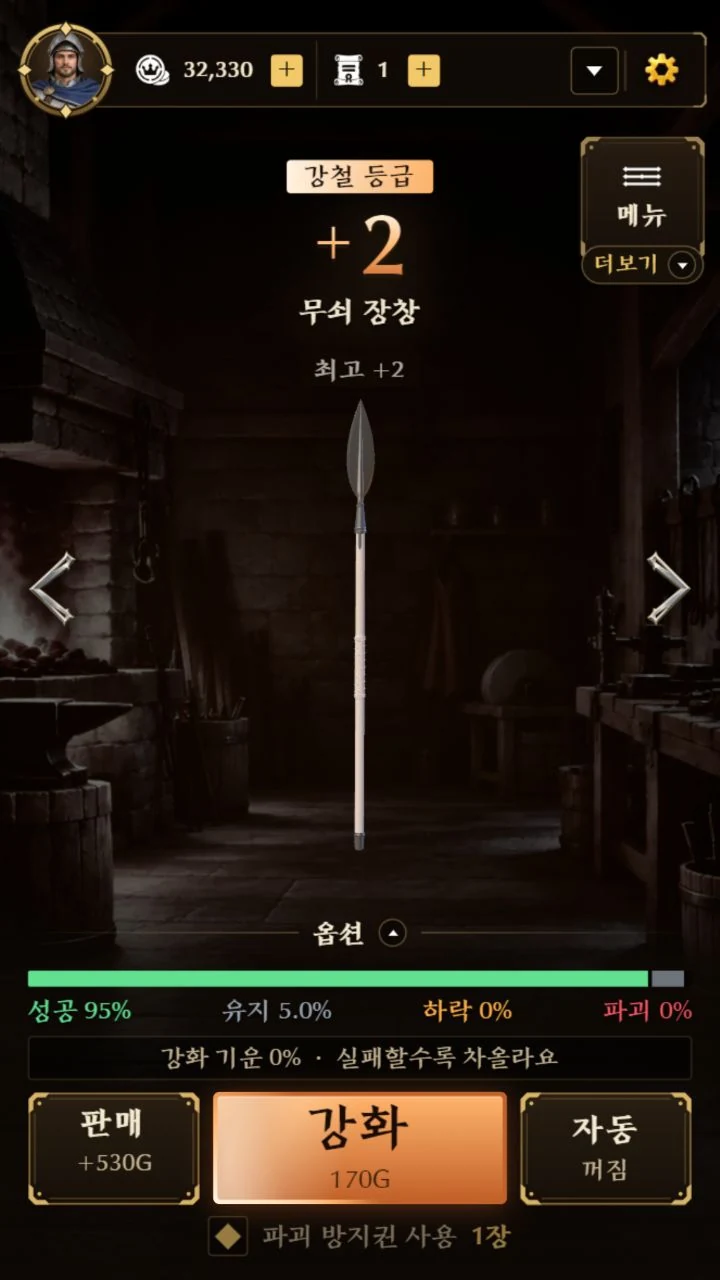
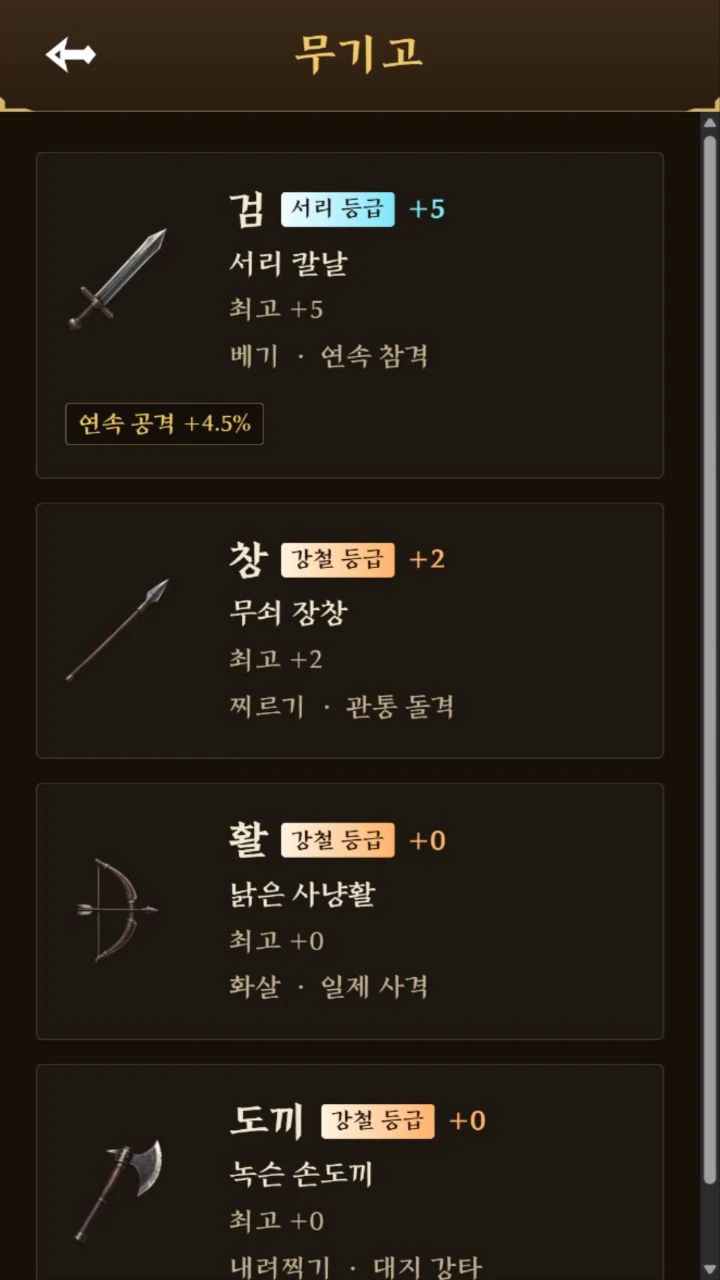
Swords are not the only option. Use the left and right arrows to switch between swords, spears, bows and axes. The four weapon types grow separately while sharing resources such as gold. You can focus on one or build up several a little at a time.
 Four kinds of weapons
One more upgrade, or time to sell?
Above the upgrade button, you can see the chances of success, no change, a downgrade or destruction. The cost of the attempt appears below. A success makes the weapon stronger, but other results can leave it unchanged, lower its upgrade level or destroy it. You weigh the value of what you have against the promise of the next upgrade.
Selling a weapon gives you gold and lets you start again with the same weapon type. The sell button shows how much you will receive. Any bonuses on the weapon disappear with it, so you consider its abilities as well as its price.
Bonuses are extra abilities attached to a weapon. You gain the first one when you reach Frost grade. They affect battles through abilities such as attack power or consecutive attacks, giving the weapon its strengths alongside its upgrade level. The armory shows the current state of all four weapons at a glance.
 A reason to keep a weapon
Take your weapon into battle
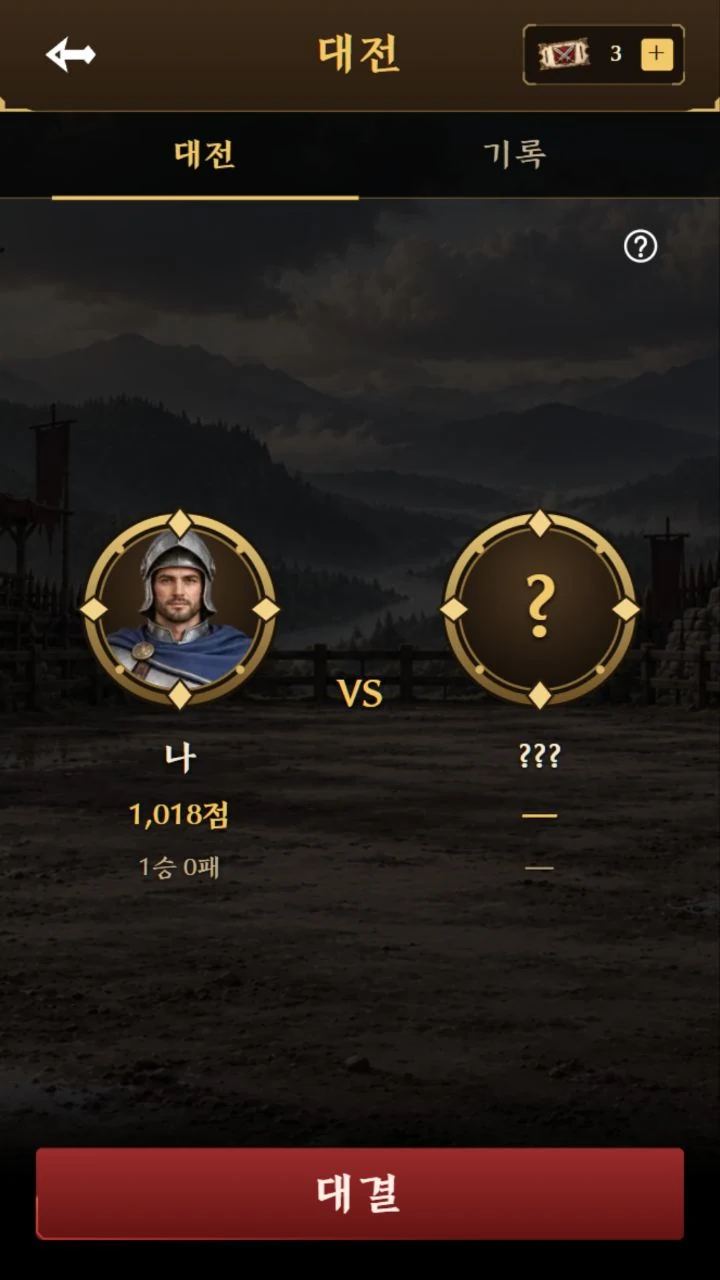
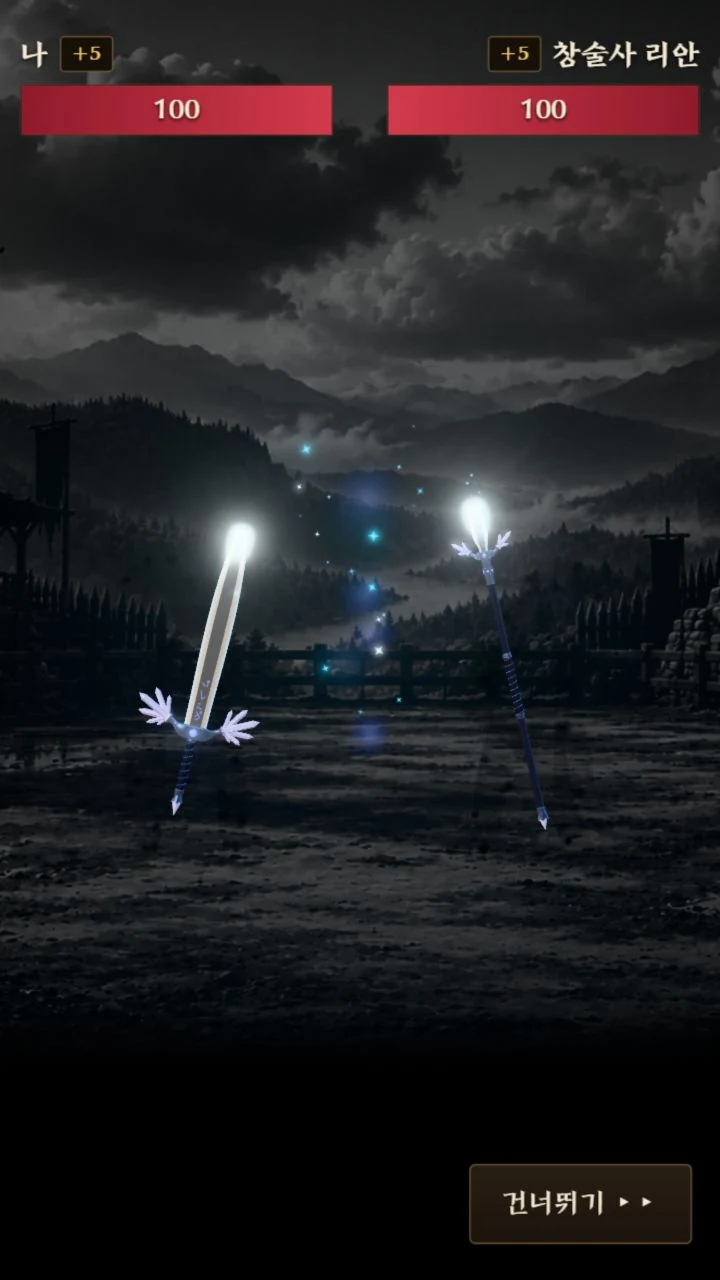
Once you have strengthened a weapon, you can open battles from the menu. Combat is automatic, against opponents provided by the game. You watch the weapons clash and their health fall. Instead of controlling the fight, you see what your upgrades and bonuses can do in a single match.
After checking the result, return to the forge and decide whether to keep improving that weapon or prepare another one.
 From upgrades to battle
How to play
- Choose a weapon. Use the left and right arrows on the upgrade screen to switch between swords, spears, bows and axes.
- Check the odds and cost, then upgrade. Tap the button to watch the animation and reveal the result. You can also turn on auto-upgrade for consecutive attempts.
- Decide whether to keep upgrading or sell. Look at the selling price and the weapon's bonuses together.
- See your progress in battle. Open battles from the menu and watch the fight play out automatically.
We hope even a short session leaves you with the pleasure of having grown a weapon you like.